Who you're actually selling to
Voice of Customer Research: How to Find the Words Your Competitors Don't Use
Most voice of customer research is built to fix the product. Here's how to use it to find the customer phrases your competitors' copy leaves out.
By Ines Calloway · October 2, 2026 · 4 min read

An office manager reviewing payroll software on G2 says it "takes that headache away." Another reviewer says it "makes payroll feel like a non-issue." The vendor's homepage promises you can run payroll "in five minutes flat." Same product, two reasons to buy it, and only one of them leads the homepage.
That gap is what voice of customer research is for when you work in marketing. Collect the exact words customers use for their problem and their purchase, set them next to what your competitors say about themselves, and look for the phrases nobody in your market is using. That is usually where an unclaimed position sits.
Most voice of customer programs are built to fix the product
The standard voice of the customer methodology runs through surveys, support tickets and feedback widgets. It's good at its job: spotting friction, fixing bugs and keeping customers from leaving. Product and support teams should keep running it.
What it produces is a score and a list of problems. Neither tells you how a buyer describes the week they decided to switch, and a rating scale can't hand you a phrase. If you want customers' words, you have to go and collect them.
Ask recent buyers to tell the story of their decision
Start with the people you're already selling to. If you haven't pinned them down yet, identify your ideal customer profile first, then pick interviewees from inside it.
Talk to customers who bought in the last six months or so, while the decision is still fresh. Include at least one who nearly chose someone else and, if they'll take the call, one prospect who did. Stop when new conversations stop producing new phrases.
Ask about their situation before you ask about your product. Five questions do most of the work:
- What was going on when you started looking?
- What were you doing about it before you found us?
- What nearly stopped you from buying?
- How would you explain what we do to a colleague?
- What did you expect that turned out differently?
Then follow the story. The useful lines tend to arrive as asides, when someone explains what they were afraid of getting wrong or what their boss kept asking about.
Keep their exact words, especially the awkward ones
Record every call and get a transcript. Pull out the phrases buyers use for the problem, the stakes and the result, word for word. Resist tidying them into marketing language, because the tidying is how customer words turn back into the same words every competitor uses.
Interviews aren't the only source. Review sites, sales-call notes, support emails and win-loss notes all hold customer language you can read today. Use them to find phrases worth listening for in interviews. Reviews are written for strangers and lean toward people with strong feelings, so treat them as leads to confirm.
Put each phrase next to what your competitors say
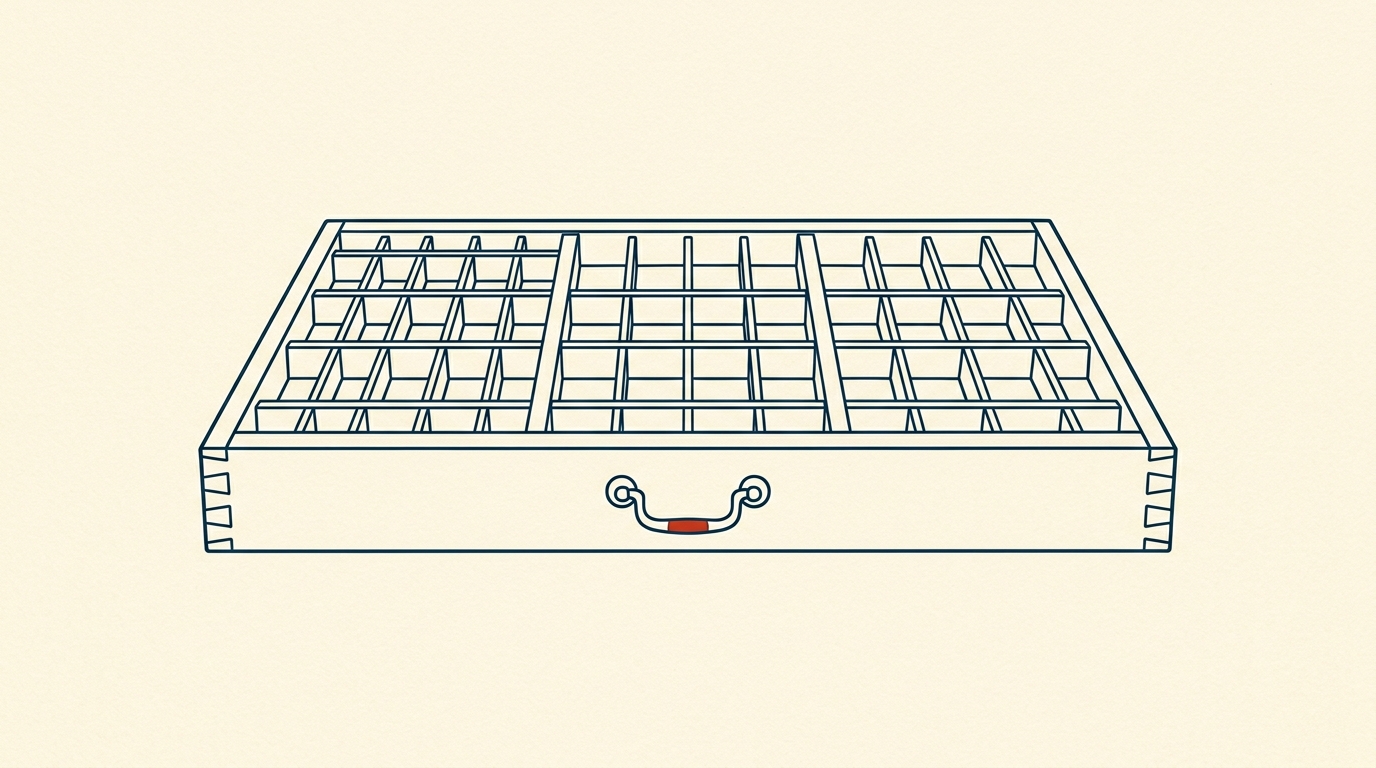
Collect the homepages and about pages of the companies your buyers compare you with. For each customer phrase, check whether competitors use it or say the same thing in other words. Mark it as said by most, said by some, or said by none.
The "none" column is your shortlist. The guide to category white space analysis covers this comparison in more depth. What voice of customer research adds is the starting list: every phrase on it came from a buyer, so the shortlist is made of things buyers already care about.
Payroll buyers talk about worry, and payroll homepages mostly sell speed
Here's the method on public material. In Gusto's reviews on G2, small-business reviewers say the software "takes that headache away," "gives me peace of mind" and "removes the constant worry of compliance errors or missed tax deadlines."
Now the homepages, as of October 2026. Gusto leads with "Hire, pay, and grow like a pro" and payroll "in five minutes flat." ADP says managing and paying your people "has never been easier." Rippling opens with "AI that works across your entire business."
Paychex is the exception: its homepage opens with "Less worry, less busywork." Gusto uses the word once too, further down, about S Corp tax strategy. So worry, as a word, is taken. The specific fear is still open. When these homepages mention compliance, it's as a task they take over, with lines like "help with compliance" and "stay compliant." None of them names the thing the reviewer named, a missed tax deadline.
Two caveats. These are public reviews, and four homepages aren't a whole market. In a real project you'd confirm the phrase in interviews and check every company your buyers compare.
An unused phrase is worth claiming only if you can back it
The strongest objection is that competitors leave some things unsaid for good reasons. Maybe the phrase doesn't sell. Maybe it isn't true of them, or of you. A payroll company that promises no missed deadlines had better have the record to prove it.
So run two checks before you build on a phrase. Can you back it with something a buyer can verify? And would saying it cost a competitor something, because their product or their business model can't keep the promise? If you can't back it, drop it. If every competitor could say it tomorrow at no cost, it won't stay yours for long.
A phrase that passes both checks is a candidate position. Write the line, then run the messaging white space test on it before it goes anywhere near your homepage.
Frequently asked questions
- What is voice of customer research?
- Voice of customer research collects how customers describe their problems, their decisions and their results, in their own words. Product teams use it to find friction. Marketers can use it to find the phrases buyers use that competitors' copy doesn't.
- What is a voice of the customer methodology for positioning?
- Interview recent buyers about the story of their purchase, record and transcribe the calls, and pull out their exact phrases. Then check each phrase against competitors' homepages and mark it as said by most, some or none. The phrases nobody uses are the shortlist.
- What are some voice of customer examples?
- In Gusto's reviews on G2, small-business reviewers say payroll software "removes the constant worry of compliance errors or missed tax deadlines." The homepages of Gusto, ADP, Paychex and Rippling mostly promise speed and ease, and none of them mentions a missed tax deadline.
- How is positioning research different from customer experience research?
- Customer experience research produces scores and lists of problems to fix. Positioning research produces phrases: the words buyers use for the problem and the stakes, which you can compare against what competitors already say.
Sources
- Gusto Reviews — G2
- Gusto homepage — Gusto
- ADP homepage — ADP
- Paychex homepage — Paychex
- Rippling homepage — Rippling